
Avisys

From Trouble to Triumph: How T2R and Testing are Redefining Telecom
From Trouble to Triumph: How T2R and Testing are Redefining Telecom The telecommunications sector is witnessing a paradigm shift, with the rapid adoption of 5G and the surge in Internet-based services. As the industry evolves, the emphasis on service reliability and robustness was never this evident. Enter T2R (Trouble to Resolve) and the indispensable role of managed testing services in ensuring that telecom services are not just efficient but also resilient. In this article, we will delve deep into the world of T2R, its significance in the telecom realm, and the pivotal role of testing in enhancing service quality. Did you know? More than 90% of telecom experts believe that a robust software/app testing CoE framework helps boost customer satisfaction and reduce churn significantly. Read also: How App Testing is Reducing Customer Churn for Telcos? Understanding T2R in Telecom T2R, or Trouble to Resolve, is a critical metric in the telecom sector that measures the time taken to identify and rectify service disruptions. In an age where consumers demand uninterrupted connectivity, a swift T2R is indicative of a telecom provider’s efficiency and commitment to service excellence. Statistical Insight: A study revealed that a 10% improvement in T2R could lead to a 7% increase in customer retention rates, underscoring its importance in customer satisfaction for telecom companies. The Role of Testing in Optimizing T2R Testing is solving the most annoying problems for telcos. By rigorously evaluating the BSS and OSS architecture in telecom and other essential components, telecom providers can preemptively identify vulnerabilities and address them. This proactive approach not only reduces potential service disruptions and downtimes, but also optimizes T2R, ensuring that any issues are swiftly addressed. Fact: Advanced testing CoE framework and methodologies can reduce service outages by up to 15%, significantly enhancing T2R metrics. Read also: The Crucial Role of OSS/BSS Testing in Telecom Operations Use-Case Scenario: The 5G Transition Consider a bustling metropolis gearing up for a comprehensive 5G rollout. As the launch date nears, the telecom provider realizes that its existing infrastructure might not be fully equipped to handle the inflating demands of 5G network solutions. Rigorous testing CoE framework identifies potential bottlenecks, allowing the telecom provider to make necessary adjustments and tweaks in its 5G network solutions. Post-launch, when a minor service disruption occurs, the optimized T2R ensures that the issue is swiftly addressed, resulting in minimal downtime ensuring utmost customer satisfaction. For instance, it could identify that a particular tower doesn’t have the required bandwidth capacity, or certain areas of the city have weaker signal strength due to interference. Once these issues are recognized, network engineers can make the necessary modifications and adjustments to its 5G network solutions. This might involve upgrading hardware, optimizing software, or improving transmission algorithms. Post-Launch Phase: Despite the proactive measures, like all technology rollouts, there are unpredictable elements. After the official 5G launch, if a minor service disruption emerges. Thanks to the “Time To Resolution (T2R)” system that the provider has optimized, they are able to swiftly identify, diagnose, and rectify the problem. This quick resolution ensures that customers face minimal downtime. Case Study Download:How Avisys helped a Video Streaming Platform offer Seamless Streaming to its Subscribers with top-Notch Performance Testing? The Peak Hour Outage Imagine a scenario where, during peak usage hours, a leading telecom provider faces an unexpected service disruption. As customer complaints start pouring in, the provider’s advanced testing CoE framework and protocols kick in, quickly identifying the root cause. Thanks to a streamlined T2R process, the issue is resolved in record time, minimizing customer inconvenience and downtime Avisys: At the Forefront of Telecom Modernization Avisys, with focus on telecom BSS solution and telecom OSS architecture modernization, is playing a pivotal role in this revolutionary transformation. By providing state-of-the-art network infrastructure services and network inventory and cloud and infrastructure services, Avisys is helping MVNOs, telcos, MNOs, CSPs, etc. navigate the challenges of modernization of BSS/OSS infrastructures in a seamless and painless manner, ensuring that they are well-equipped to offer seamless and reliable services in the 5G era. Read also : How Avisys TCoE is changing the Testing Game for Telcos Takeaway In the dynamic and competitive landscape of telecommunications, T2R and managed testing services are not mere technical jargons; they are the bedrock of service reliability and customer satisfaction. As the industry transitions to advanced technologies and faces increasing consumer demands, the emphasis on swift T2R and rigorous testing CoE framework will only grow. Telecom providers that prioritize these aspects will not only ensure service excellence but also gain a competitive edge in the market.   For more insights into telecom transformation and the role of T2R and managed testing services, click here. You can also drop a note here or write to us at info@avisys.in
Avisys Testing CoE: The Game-Changer in Telecom Software Testing

Avisys Testing CoE: The Game-Changer in Telecom Software Testing The telecom sector is a dynamic and rapidly evolving industry that is at the forefront of technological innovation. With an ever-increasing range of new devices, the implementation of advanced networks like 5G and 6G, and the need for comprehensive IT solutions for corporate customers, telecom companies must continually innovate to meet customer demands. In this digital environment, the need for robust and reliable managed testing services is more critical than ever.   Telecom companies operate in a highly competitive market, aiming to provide a seamless and connected customer experience. They utilize a range of web and mobile apps to manage their services, making it essential that these platforms are functional, performance-centric, and user-friendly. This is where Avisys telecom [**testing CoE services**](https://avisysservices.com/testing-coe/) come into play. Overcoming QA Limitations with Avisys: The Importance of Telecom Testing Problems in application quality can cause more damage than just delayed delivery and increased operational costs. They can lead to lost trust in the telco service provider, thus affecting business opportunities and user experience. Product engineering firms also face challenges due to lack of complete visibility into the testing process and the standards followed. These issues are compounded by limitations in capable supporting tools, tester expertise, and compliance adherence. Avisys, with its dedicated teams, qualified partner support, and state-of-the-art performance testing services, becomes the answer for assured QA and application reliability. The Testing CoE framework at Avisys is a reflection of global standards in software testing, providing a structured approach to ensure quality for your enterprise’s products and services. Avisys Testing CoE Framework: Structured Success through Quality Assurance The CoE framework at Avisys is a combination of highly skilled people, distinguished processes, and future-ready technologies that form a structured governance for the CoE for Testing. This framework is built to provide a successful testing roadmap to ensure quality, leading to customer success. Read also: Avisys Telecom TCoE – An Intersection of People, Process and Technology The approach to perfect software performance testing services at Avisys reflects the following phase: Analyze and Setup: This involves analyzing and comprehending the product – its purpose, expectation gaps, and issues. Documentation for testing processes, KPIs, and tools are created based on this analysis. The overall milestones and the testing roadmap are determined, and cost and time estimates are defined accordingly. The TCoE attributes to be leveraged are identified, and software testing teams are assigned. Comprehensive Testing Services under One Roof Avisys offers a diverse range of testing services, ensuring every testing need is delivered under one roof. These managed testing services include: Advanced Application Testing CoE Services: Ensuring quality with services such as non-functional testing services, service-oriented architecture (SOA), mobile testing, and service virtualization. API Testing: Enhancing the functionality of your web and app with our automated API testing services to get intelligent, secure, and robust API solutions. Managed Testing Services: Offering a diverse range of managed testing services like compatibility and usability testing services, vulnerability assessment, performance testing services, etc., under one roof as a managed testing services partner for telcos. Mobile Application QA and Testing Services: Easing the development of mobile applications with a mobile-first assessment structure qualifying functionality, usability, compatibility, application performance, and security. Usability Testing: Ensuring globally benchmarked application UX through our proven usability testing services. Functional Testing: Ensuring that software is functioning according to the design specifications, including module and integration through functional testing services. The Impact of Avisys Testing TCoE on Telcos Avisys has a proven track record of resolving QA challenges, reducing reputational risks, improving quality, and enhancing cost efficiency. By partnering with Avisys, telcos can limit performance glitches and delays in go-to-market, avoid emergency releases of patch fixes, decrease the number of faults discovered later in the testing phase, and improve product performance against international benchmarks. Moreover, Avisys helps improve product governance and compliance adherence, eliminate the need for prolonged testing phases, facilitate more active substantial test cycles, enable earlier detection of defects and optimized releases, and assure accurate resources. The Avisys Team: Expertise at Your Service The Avisys testing CoE team is composed of skilled individuals with deep domain expertise. We have proven experience in Telecom BSS OSS testing CoE framework, armed with deep expertise in Testing Tools, Process, and Test Management suites. The team of testing experts has areas of expertise across Telecom COTS Products: Siebel AIA, BRM, OSM, ASAP, ASAP, Macella, and ERP Takeaway In the fast-paced and ever-evolving telecom sector, ensuring the quality and performance of software applications is paramount. Avisys, with its comprehensive managed testing services for telcos and proven approach, provides telecom companies with the assurance they need to deliver high-quality, reliable, and user-friendly applications. With Avisys as your testing partner, you can overcome QA limitations, improve the quality and performance of your applications, and stay ahead in the competitive telecom market. Take the first step towards assured QA and application reliability. [**Contact Avisys today**](https://avisysservices.com/contact-us/) and let us help you deliver excellence in your telecom services.

Avisys Testing CoE: The Game-Changer in Telecom Software Testing

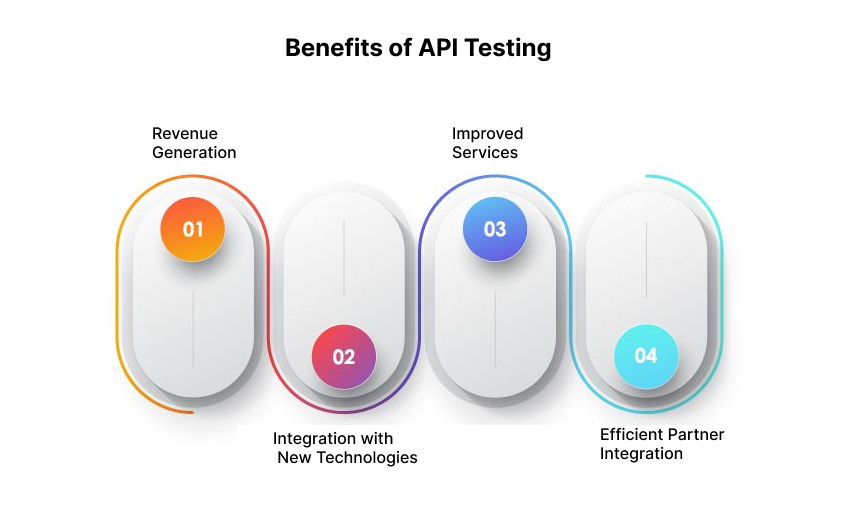
API Testing: The Telecom Industry’s Secret Superpower In today’s digital age, the telecommunication industry is under constant pressure to provide high-quality services while reducing costs. One technology that has proven to be a game-changer in this regard is the Application Programming Interface (API). Yes, APIs are the backbone of modern software development, enabling seamless communication and data exchange between different systems or layers of an application. However, to ensure the optimum functionality, adequate security, and reliable performance of these APIs, rigorous testing is crucial. This is where API testing services come into play. What is API Testing? API testing is a type of software testing that validates application programming interfaces (APIs) to check their functionality, reliability, performance, and security. API testing services are designed to reveal bugs, inconsistencies, or deviations from the expected behavior of the API. In fact, API testing is essential to ensure that the API continues to work correctly when the public has access to it. At Avisys Services, we offer automated API testing services that enhance the functionality of your web and app. Our services provide intelligent, secure, and robust API solutions, ensuring that your APIs perform optimally and deliver the desired results. At Avisys, API testing is not just about finding bugs, it’s about enhancing performance. Our API testing services help optimize your web and app performance, ensuring they run smoothly and efficiently. Our API testing experts use top-of-the-line API testing tools like Selenium, JMeter and UFT to ensure robust testing. Benefits of API Testing Services for Telecom Companies Revenue Generation: Telecom companies can develop their own APIs that, in addition to providing internal benefits, can generate revenue by providing access to it for a subscription or license fee. For example, telecom giants like AT&T and Telefonica provide access to different APIs for a fee. Integration with New Technologies : API testing services can help telecom companies embrace new technologies such as chatbots and IoT devices. For instance, chatbot APIs provide an efficient way to collect conversations and responses of chatbots, while IoT APIs can be used to collect data from IoT devices and integrate them with different infrastructures such as the cloud. Read also: How Avisys Testing CoE is proving to be a Game-Changer in Telecom Software Testing? Improved Services : APIs enable telecom companies to provide existing resources as a reusable service across different platforms. This can enhance the usage of existing infrastructure and improve the quality of services offered. Efficient Partner Integration : API testing services facilitate data sharing and access between telecom companies and different enterprises, enabling them to build valuable offerings for enterprise partners and non-partner vendors. Increased Efficiency : APIs can increase operational efficiency as they are faster, more flexible, and more cost-efficient compared to manual data collection. Read also: The Power of Telecom TCoE The Growing Importance of API Testing in the Telecom Industry The API testing market is witnessing significant growth due to the increasing adoption of agile and DevOps practices for software development, the rise of open API strategies, and the growing complexities in the IT sector. According to a report by Allied Market Research, the API testing market is expected to grow at a CAGR of 20.5% from 2022 to 2030, reaching a market size of USD 5,328 Million by 2030. In the telecom sector, API testing services are becoming increasingly important due to the sector’s reliance on APIs for providing innovative and efficient services to customers. A study by AIMultiple highlighted that APIs are one of the technologies that can benefit the telecommunication sector significantly by making them more innovative and efficient. The study also pointed out that API testing services can detect bugs and defects at an early stage, saving a considerable amount of time and money. Improved Service Quality : Telecom Testing CoE services empower telecom companies to attain elevated service quality through the application of standardized testing processes and the utilization of skilled testing resources.Reduced Time-to-Market : Telecom testing CoE services accelerate service development and testing processes, heralding a swifter time-to-market.Cost Savings : Optimizing testing processes and resources translates to substantial cost savings, especially enticing for emerging telcos.Increased Test Coverage : Ensures exhaustive test coverage, diminishing the risk of unnoticed service issues and customer dissatisfaction.Continuous Improvement : With the aid of test metrics and analytics, Telecom Testing CoE services steer telecom companies towards ceaseless refinement in their testing processes and overarching service quality.Enhanced & Sustained Customer Experience: Last but not the least, telecom testing CoE services elevate customer satisfaction and loyalty through improved service quality, rapid issue resolution, and minimized service downtime. Takeaway In conclusion, API testing services are crucial for telecom companies to ensure the optimal performance of their APIs. These services not only help in detecting and fixing issues/bugs at an early stage, but also contribute to the overall efficiency and innovation of the telecom services. At Avisys Services, we understand the importance of API testing and offer top-notch API testing services to help telecom companies leverage the full potential of their APIs. Ready to leverage the full potential of your APIs? Ensure optimal performance, efficiency, and innovation with Avisys Services’ advanced API testing services. Don’t wait for the bugs to affect your services – detect them early, save time, and drive customer experience. Click here to get started with our top-of-the-line API testing services. Remember, in a competitive telecom industry, the secret superpower is a well-tested API. Let’s unleash yours today. Contact us now!

Testing the Future: Avisys’ Innovative Approach to Telecom Services

Testing the Future: Avisys’ Innovative Approach to Telecom Services As the world becomes increasingly interconnected and digital-first, the demand for reliable and efficient telecom services continues to grow at alarming speed. At Avisys Services, we understand the importance of staying ahead of the curve in this fast-paced and evolving industry. We are committed to providing top-notch telecom services including telecom BSS solutions, Testing Solutions, Operations Support Systems (OSS), Digital Customer Experience, Analytics, Automation Mobility, Security and Digital Transformation Consulting Services, and other areas to address the unique needs of our telco clients worldwide. Mastering the Telecom Ecosystem: The Avisys Advantage The telecom industry is a complex ecosystem of technologies, tools, integrations, and upgrades. It’s a world where the ability to expand roaming, assure 5G/6G quality rollout, and validate IoT devices can make a significant difference. At Avisys, we leverage our extensive telecom network infrastructure services and best-in-class knowledge to connect our clients to new business value.    Tackling Device Fragmentation for Seamless Integration: One of the challenges in the telecom industry is device fragmentation. This issue can lead to inconsistencies in user experience and hinder the seamless integration of software upgrades. To address this, we employ our proven testing CEO framework to identify and resolve device fragmentation issues. Prioritizing Customer Satisfaction with a Focus on Quality and User Experience: In the competitive landscape of telecom services, customer satisfaction is paramount. We strive to push competitors back and boost brand loyalty by providing the highest managed testing services for telcos. We understand that bugs can be a plague for telco customers, causing slow streams or apps that won’t sync. That’s why we employ early-detection and intelligent testing COE framework testing to zap bugs before they hatch, ensuring a seamless user experience. Commitment to Cybersecurity ensuring Robust Data Protection: At Avisys, we also prioritize the protection of customer data. As a managed security service provider for telcos, our cybersecurity measures are built into every step of the Software Development Life Cycle (SDLC), ensuring robust data protection. Our commitment to security has resulted in zero breaches over the past decade, a testament to the effectiveness of our QA and testing services. Enhancing Customer Interactions with Telecom CRM and ERP: Improving customer interactions is another focus area for us. We streamline billing, customer service, and tech support with innovative system integrations, leveraging our expertise in Enterprise Resource Planning (ERP) and telecom CRM – Customer Relationship Management (CRM). This approach not only enhances customer satisfaction but also improves operational efficiency. Read also: How Telecom Digital is Enhancing Customer Experience and Market Domination? Lowering Costs with AI and ML powered Testing Solutions: Cost-effectiveness is a crucial factor in the telecom industry. We employ automated and continuous performance testing services and use Artificial Intelligence (AI) and Machine Learning (ML) technology to lower API testing services cost by as much as 40%. Spurring Growth with Custom-Tailored Managed Testing Services: Our testing COE services are designed to spur new growth and meet business goals. We offer scalable and cost-effective testing COE services that can be custom-tailored to suit the needs of our clients. Our managed testing services range from Managed Crowd Testing, which optimizes international roaming and validates mobile and IoT device performance, to Functional Automated Testing, which cuts manual testing time by up to 40%. Connecting You to Global QA and Testing Services: We also provide Right-Shore Delivery, allowing our clients to tap into the exact QA and testing services expertise they need from our testing centers. Our Agile POD services & DevOps transformation strategy can enhance test effectiveness and cover API, network, and Big Data, speeding up the release pace and time to market and deliver sustained customer experiences. Additionally, our Performance & Load Testing along with our Digital Transformation Consulting Services ensure an effortless cloud transition and reduce business risks. Ensuring Robust Performance with Performance & Load Testing: Performance and load testing are critical in the telecom industry, where high traffic volumes and peak loads are common. At Avisys, we offer rigorous performance testing services including load testing to ensure our telecom clients can handle high demand without compromising on quality or speed. This proactive approach helps us identify potential bottlenecks and address them before they impact the customers. Read also: Avisys Telecom TCoE – An Intersection of People, Process and Technology Innovation is at the heart of what we do at Avisys. We continuously explore new insights and embrace innovation to drive new value for our organization. If you’re ready to improve your telecom business, we can’t wait to help. At Avisys Services, we are committed to providing top-notch telecom services that meet the unique needs of our clients. We believe in the power of connectivity and are dedicated to delivering managed testing services that not just meet but exceed expectations. Join us as we revolutionize the telecom industry, one connection at a time. Get in touch today!

API Testing: The Telecom Industry’s Secret Superpower

API Testing: The Telecom Industry’s Secret Superpower In today’s digital age, the telecommunication industry is under constant pressure to provide high-quality services while reducing costs. One technology that has proven to be a game-changer in this regard is the Application Programming Interface (API). Yes, APIs are the backbone of modern software development, enabling seamless communication and data exchange between different systems or layers of an application. However, to ensure the optimum functionality, adequate security, and reliable performance of these APIs, rigorous testing is crucial. This is where API testing services come into play. What is API Testing? API testing is a type of software testing that validates application programming interfaces (APIs) to check their functionality, reliability, performance, and security. API testing services are designed to reveal bugs, inconsistencies, or deviations from the expected behavior of the API. In fact, API testing is essential to ensure that the API continues to work correctly when the public has access to it. At Avisys Services, we offer automated API testing services that enhance the functionality of your web and app. Our services provide intelligent, secure, and robust API solutions, ensuring that your APIs perform optimally and deliver the desired results. At Avisys, API testing is not just about finding bugs, it’s about enhancing performance. Our API testing services help optimize your web and app performance, ensuring they run smoothly and efficiently. Our API testing experts use top-of-the-line API testing tools like Selenium, JMeter and UFT to ensure robust testing. Benefits of API Testing Services for Telecom Companies Revenue Generation: Telecom companies can develop their own APIs that, in addition to providing internal benefits, can generate revenue by providing access to it for a subscription or license fee. For example, telecom giants like AT&T and Telefonica provide access to different APIs for a fee. Integration with New Technologies : API testing services can help telecom companies embrace new technologies such as chatbots and IoT devices. For instance, chatbot APIs provide an efficient way to collect conversations and responses of chatbots, while IoT APIs can be used to collect data from IoT devices and integrate them with different infrastructures such as the cloud. Read also: How Avisys Testing CoE is proving to be a Game-Changer in Telecom Software Testing? Improved Services : APIs enable telecom companies to provide existing resources as a reusable service across different platforms. This can enhance the usage of existing infrastructure and improve the quality of services offered. Efficient Partner Integration : API testing services facilitate data sharing and access between telecom companies and different enterprises, enabling them to build valuable offerings for enterprise partners and non-partner vendors. Increased Efficiency : APIs can increase operational efficiency as they are faster, more flexible, and more cost-efficient compared to manual data collection. Read also: The Power of Telecom TCoE The Growing Importance of API Testing in the Telecom Industry The API testing market is witnessing significant growth due to the increasing adoption of agile and DevOps practices for software development, the rise of open API strategies, and the growing complexities in the IT sector. According to a report by Allied Market Research, the API testing market is expected to grow at a CAGR of 20.5% from 2022 to 2030, reaching a market size of USD 5,328 Million by 2030. In the telecom sector, API testing services are becoming increasingly important due to the sector’s reliance on APIs for providing innovative and efficient services to customers. A study by AIMultiple highlighted that APIs are one of the technologies that can benefit the telecommunication sector significantly by making them more innovative and efficient. The study also pointed out that API testing services can detect bugs and defects at an early stage, saving a considerable amount of time and money. Improved Service Quality : Telecom Testing CoE services empower telecom companies to attain elevated service quality through the application of standardized testing processes and the utilization of skilled testing resources.Reduced Time-to-Market : Telecom testing CoE services accelerate service development and testing processes, heralding a swifter time-to-market.Cost Savings : Optimizing testing processes and resources translates to substantial cost savings, especially enticing for emerging telcos.Increased Test Coverage : Ensures exhaustive test coverage, diminishing the risk of unnoticed service issues and customer dissatisfaction.Continuous Improvement : With the aid of test metrics and analytics, Telecom Testing CoE services steer telecom companies towards ceaseless refinement in their testing processes and overarching service quality.Enhanced & Sustained Customer Experience: Last but not the least, telecom testing CoE services elevate customer satisfaction and loyalty through improved service quality, rapid issue resolution, and minimized service downtime. Takeaway In conclusion, API testing services are crucial for telecom companies to ensure the optimal performance of their APIs. These services not only help in detecting and fixing issues/bugs at an early stage, but also contribute to the overall efficiency and innovation of the telecom services. At Avisys Services, we understand the importance of API testing and offer top-notch API testing services to help telecom companies leverage the full potential of their APIs. Ready to leverage the full potential of your APIs? Ensure optimal performance, efficiency, and innovation with Avisys Services’ advanced API testing services. Don’t wait for the bugs to affect your services – detect them early, save time, and drive customer experience. Click here to get started with our top-of-the-line API testing services. Remember, in a competitive telecom industry, the secret superpower is a well-tested API. Let’s unleash yours today. Contact us now!

Expanding Our Reach: Avisys is now in Australia!

Expanding Our Reach: Avisys is now in Australia!” We are delighted to announce that we have just unlocked a new milestone in our growth journey. We have opened our brand-new office in the Land Down Under – Australia! At Avisys Services, we are proud to be recognized as a leading force in revolutionizing the telecom sector, offering a wide range of consulting, digital, technology, and operations services. Since our inception, our primary objective has been to deliver innovative and bespoke solutions that enable businesses across various domains, particularly the telecommunications sector, to thrive in today’s increasingly digital-centric world. In today’s digital age, the telecommunication industry is under constant pressure to provide high-quality services while reducing costs. One technology that has proven to be a game-changer in this regard is the Application Programming Interface (API). Yes, APIs are the backbone of modern software development, enabling seamless communication and data exchange between different systems or layers of an application. However, to ensure the optimum functionality, adequate security, and reliable performance of these APIs, rigorous testing is crucial. This is where API testing services come into play. “We are excited to announce our recent expansion with the opening of a brand-new office location in the Land Down Under – Australia. This development not only cements our commitment to global growth but also stands as a testament to our dedication in supporting the dynamic telecommunications landscape in Australia.” – Mr. Harshvardhan Kumar (Founder & CEO, Avisys Services) Our relentless pursuit of delivering excellence has always driven us to explore new territories and opportunities. It is our commitment to our clients, and our quest to deliver superior consulting, digital, technology, and operations services. A Strategic Move: Strengthening the Australia-India Partnership The inauguration of our Australian office represents a crucial milestone in the strengthening of the Australia-India Strategic Partnership. It serves as a testament to the blossoming relationship between these two vibrant nations, a relationship built on shared values, mutual interests, and common strategic objectives. Australia’s telecom sector has always been at the forefront of innovation, with companies continually seeking out new ways to enhance the digital experiences of their customers. As mobile network operators (MNOs), mobile virtual network operators (MVNOs), and communication service providers (CSPs) in Australia strive to stay competitive, the demand for innovative telecom solutions has never been greater. Read also: Avisys Empowers Australia-India Strategic Partnership at the NASSCOM 2023 Australia At Avisys Services, we understand that joining the digital transformation revolution is more than just adopting new technologies. It involves a paradigm shift in how businesses operate and engage with their customers. With our new office in Australia, we aim to assist these telecom companies in leveraging the power of digital transformation effectively. Our Australian-based team will focus on delivering a range of services, including business process optimization, advanced system integration, and testing COE to telcos. We also specialize in solution engineering and devising strategies that help telecom companies overcome their unique challenges and become industry leaders. By bridging the geographical divide, Avisys Services is poised to foster an environment of collaboration and exchange, enabling the cross-pollination of innovative ideas and technology that will undoubtedly benefit both countries. We anticipate this development to be a catalyst for mutual growth and technological advancement in the telecommunications sector. What to Expect? With our new office in Australia, we are primed to bring our extensive portfolio of services to a broader clientele. Whether you require insightful transformation consulting, innovative digital solutions, or transformative technology, we are ready to assist you. And rest assured, all our services sit at the intersection of People, Process and Technology ensuring customer-centricity, quality, integrity, and innovation. Furthermore, this expansion stands testimony to our commitment to growing with our clients. It’s not just about offering managed services in Australia, but about nurturing relationships, understanding specific needs, and evolving together in the increasingly digital and connected world. Improved Service Quality : Telecom Testing CoE services empower telecom companies to attain elevated service quality through the application of standardized testing processes and the utilization of skilled testing resources.Reduced Time-to-Market : Telecom testing CoE services accelerate service development and testing processes, heralding a swifter time-to-market.Cost Savings : Optimizing testing processes and resources translates to substantial cost savings, especially enticing for emerging telcos.Increased Test Coverage : Ensures exhaustive test coverage, diminishing the risk of unnoticed service issues and customer dissatisfaction.Continuous Improvement : With the aid of test metrics and analytics, Telecom Testing CoE services steer telecom companies towards ceaseless refinement in their testing processes and overarching service quality.Enhanced & Sustained Customer Experience: Last but not the least, telecom testing CoE services elevate customer satisfaction and loyalty through improved service quality, rapid issue resolution, and minimized service downtime. Join us on this exciting journey We are excited about this new journey in Australia. With this move, we reaffirm our commitment to helping businesses navigate the digital revolution. By supporting the Australian telecom sector with our unique blend of innovation and expertise, we aim to facilitate the creation of a more connected, digitally advanced future for all. Avisys Services is more than just a professional services company; we are a partner in your growth, a solution to your challenges, and a navigator in your journey towards digital transformation. Here’s to the exciting journey ahead and the many milestones we will conquer together. Stay tuned for more exciting updates as we continue to grow and innovate. Thank you for your unwavering support and trust in us! For more details about our new location and how we can assist you, please do not hesitate to get in touch with us. See you in Australia!

Telecom Testing Transformed: Avisys Launches Its Telecom Testing Center of Excellence (ATCoE)

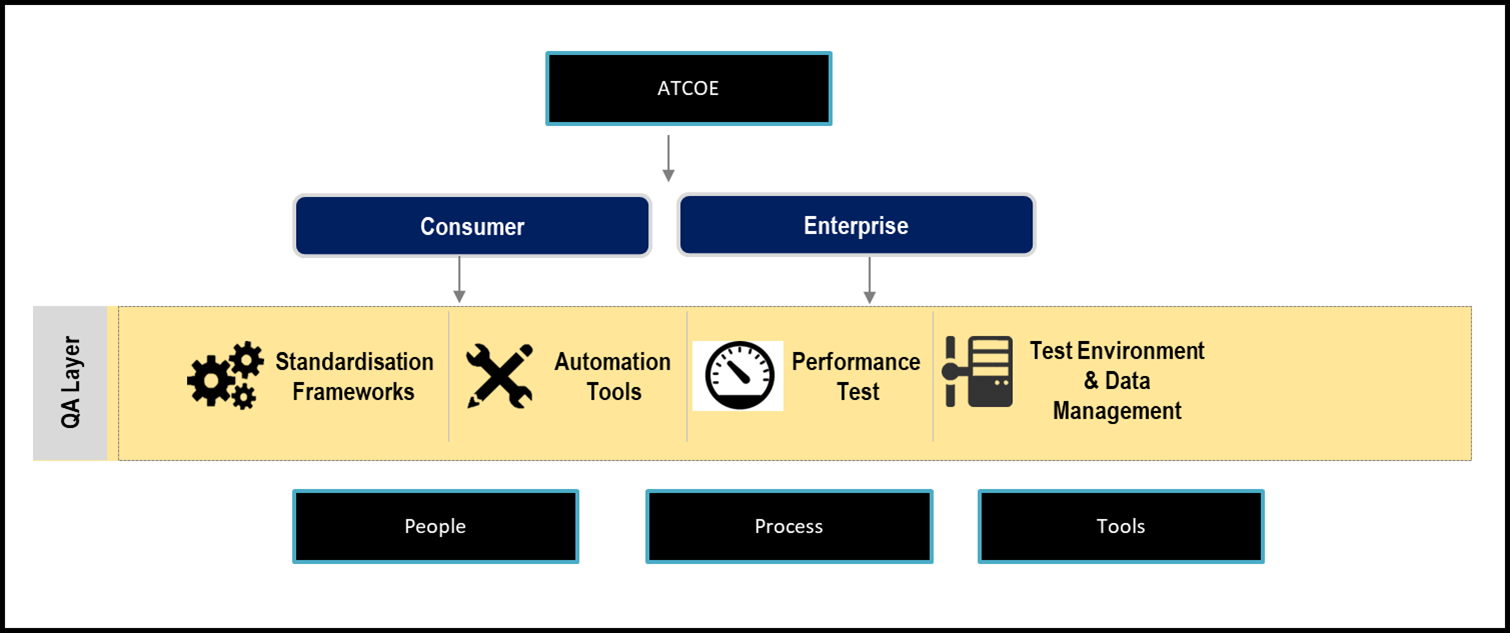
Telecom Testing Transformed: Avisys Launches Its Telecom Testing Center of Excellence (ATCoE) The telecom industry is in an era of rapid evolution, characterized by network upgrades transitioning from 3G and 4G to the promising 5G and 6G. Along with this technological evolution, the telecom ecosystem is embracing digitization and integrating new applications, thereby adding to its complexity. Telcos are keen to meet new requirements to sustain and expand their customer base through appealing services, thus driving contributing to the bottom-line i.e. surge in revenue. However, this technological revolution brings forth the challenge of effective and thorough testing of the new integrations. This task proves challenging due to the lack of synergy in the process and tools utilized by different teams, as well as the necessity for proper governance with well-defined escalation, reporting, and tracking mechanisms. Avisys Services is bridging this gap with its Telecom Testing Center of Excellence (ATCoE). ATCoE: Avisys’ Answer to Telecom Testing The Avisys Testing Coe Framework, designed by Avisys Services, introduces a systematic approach to testing controls and standards, defining, implementing, and measuring them at a centralized level. The framework caters to multiple customer service deliveries by providing resources with domain expertise on Telecom BSS/OSS, implementing robust processes across various projects, and assembling teams proficient in Functional and Non-functional testing tools.     Our Testing CoE services are not just a solution, but a coming-of-age nexus of people, process and technology revolutionizing the telecom industry. We believe in our skilled resources, our robust processes, and our cutting-edge tools, all working in tandem to transform the telecom QA and Testing services landscape.”_> > _says Mr. Harshvardhan Kumar, CEO of Avisys Services. Read also:Avisys Telecom TCoE – An Intersection of People, Process and Technology   This centralized approach overcomes the traditional challenges of disjointed teams and fragmented testing processes. It ensures that all telecom testing is managed in a harmonious, standardized manner, eliminating inefficiencies and boosting quality assurance. In addition, Avisys Testing CoE framework has developed various proprietary tools and features that reduce execution time by 40%. It has also established a knowledge bank of reusable test cases that can be quickly referred to and plugged into projects, thus minimizing the time spent on test design. The Avisys Testing CoE Framework Effect: A Case Study Avisys Testing CoE services suite was put to the test when a telecom client needed assistance in ramping up their team with skilled telecom domain testing knowledge, implementing a governance model, and accelerating their delivery cycle using automation tools. Avisys Testing CoE framework groomed 20+ offshore resources in various Telecom applications, designed templates for preparing strategies and plans, and implemented a demand management process. It also established a measurement framework for team improvement based on defined SLA and KPI. Finally, our managed testing services team automated functionality using a mix of in-house utilities and open-source tools. As a result, ATCoE was the only vendor providing independent managed testing services for that operator. The Way Forward A Telecom Testing Center of Excellence (TCoE) is crucial for telcos seeking to improve their service quality and enhance the customer experience. Avisys Services’ TCoE offers an all-encompassing solution that includes a centralized managed testing services team, standardized performance and API testing processes, test automation, test metrics, and continuous training. Read also: How Telcos are paving way for Enhanced Customer Experience and Market Domination? With the help of Avisys Services’ Telecom Testing CoE services, telecom companies can attain higher service quality and better market penetration, reduce time-to-market, save costs, and ultimately drive customer satisfaction. Ready to enhance your telecom services and operations and elevate customer experience, get in touch with our telco digital transformation consulting services expert today. For more information, visit: www.avisysservices.com or drop a note at info@avisys.in

A Comprehensive Guide to Telecom Testing: From Basics to Best Practices

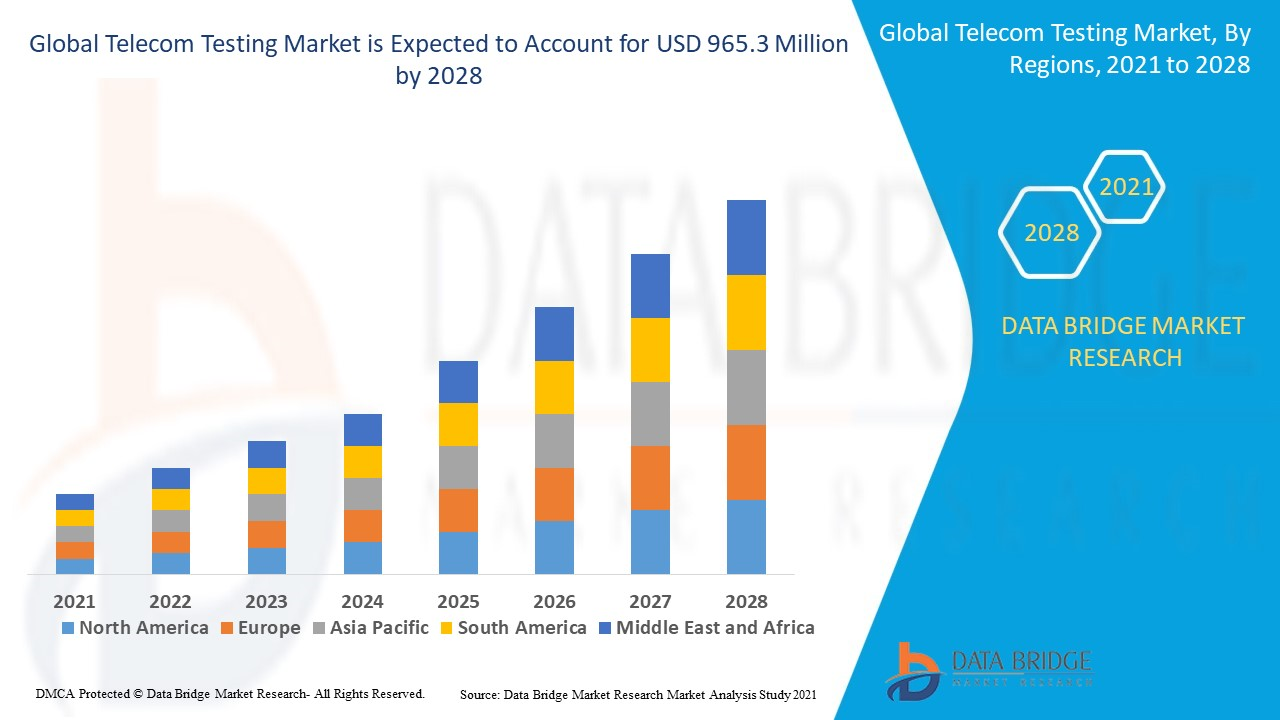
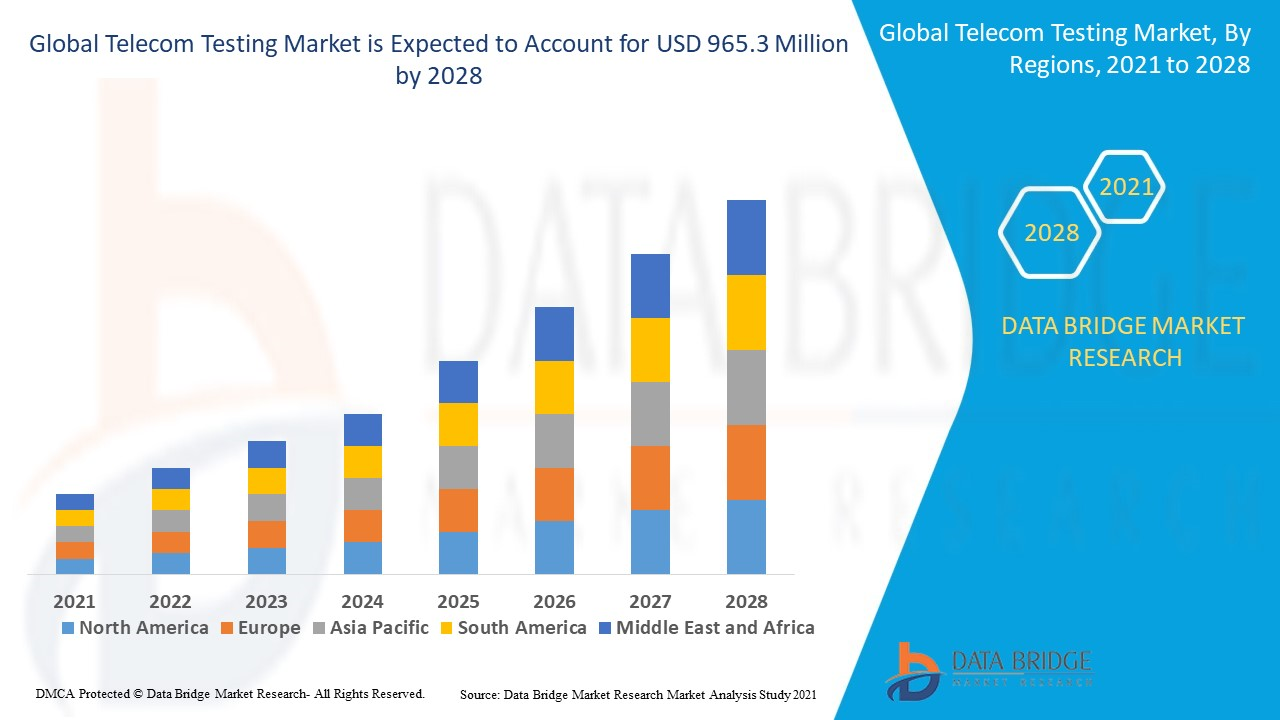
A Comprehensive Guide to Telecom Testing: From Basics to Best Practices Introduction The telecommunications industry is a rapidly evolving sector, with new technologies and services being introduced at a breakneck speed. To ensure that these services are reliable, high-quality, and meet the fast-evolving expectations of users, rigorous testing is essential. This guide delves deep into the world of telecom testing, providing insights into its importance, the various types of testing performed, and the tools and methodologies employed. Overview of Telecom Testing Telecommunication services encompass a wide range of offerings, including voice, streaming, message, and data services. Features such as call waiting, call forwarding, voicemail, and Wi-Fi connectivity are integral to these services. Given the increasing demand for high-quality, uninterrupted telecommunication services, testing has become indispensable to the telecom sector. Rigorous testing not only ensures service quality but also enhances customer satisfaction. Furthermore, it helps telecom businesses comply with various rules and regulations. As the telecom industry continues to evolve, testing remains a pivotal component in the development and implementation of telecom services. Case Study Download: See how performance testing helped streamline a video streaming platform for a telco Image Credit: Data Bridge Market Research What is Telecom Testing? Telecom testing involves verifying and validating the functionality, performance, and reliability of telecommunication services and systems. This encompasses services like voice, messaging, data, and other features. The primary objective of telecom testing is to ensure that these services align with customer requirements, adhere to industry standards and regulations, and maintain high quality and reliability. The scope of telecom testing CoE framework is vast, covering functional testing services, performance testing services, security testing, API testing services, compatibility testing, interoperability testing and many others.   The Importance of Domain Knowledge in Testing In the realm of testing, a domain refers to a specific area or subject matter of the software application or system under test. Having a deep understanding of the domain is crucial as it aids testers in pinpointing key functionalities, features, and use cases that demand testing. Moreover, domain expertise is pivotal for devising an effective testing CoE framework and strategy tailored to the unique requirements of the domain.   Benefits of Telecom Testing Improved Customer Experience: Proper testing ensures the seamless functioning of products and services, leading to enhanced customer satisfaction and loyalty.   Regulatory Compliance: Testing ensures adherence to industry standards, regulations, and guidelines, ensuring the safety, security, and reliability of products and services. Cost Efficiency: Early detection of defects can significantly reduce costs associated with rectifying them later in the product lifecycle. Optimized Performance: Testing can identify performance bottlenecks, such as slow response times and network failures, ensuring efficient performance of telecom products and services. Brand Reputation: A robust testing process can help maintain a positive brand image by ensuring customer satisfaction. Business Processes in the Telecom Industry The telecom industry is multifaceted, with several business processes crucial to its operation. Here are few common processes: Service Provisioning: Involves setting up and activating telecom services for customers. This involves customer identification/KYC, provisioning services for telcos, etc. Billing and Invoicing: Pertains to generating and delivering bills based on service usage. This involves metering usage, generating bills, calculating tariffs, etc. Customer Care: Focuses on addressing customer queries and providing technical support. Network Management: Concerned with monitoring and maintaining the telecom network infrastructure. It also involves fault management, configuration management, etc. Sales and Marketing: Involves promoting and selling telecom services. Product Development: Pertains to introducing new telecom products and services to the market. This involves market research, product design, product testing, etc.   Read also: How Testing is Transforming Billing Operations for Telcos? Decoding Telecom Testing Lifecycle The telecom testing lifecycle spans across different stages of managed testing services: Business Stage: Here, we identify what the telecom system needs to achieve. This involves understanding customer needs, market trends, and legal requirements. System Design Stage: At this stage, we check the overall design of the telecom system, including its infrastructure and applications. Implementation Stage: This is where we test how the telecom system works in terms of its features, speed, security, and user-friendliness. Deployment Stage: Finally, we test the system in real-world settings, ensuring it works well with other systems, various devices, and can handle different user demands.   Types of Testing Performed on Telecom Software/App Telecom software undergoes various types of testing to ensure it meets functional, technical, and business requirements. Some common types include: Functional Testing Services: Verifies the software’s functionality, such as call routing and messaging. Interconnection Testing: Assesses the software’s connectivity with other telecom networks. Conformance Testing: Ensures compliance with global standards. IVR Testing: Tests the Interactive Voice Response system. Performance Testing Services: Evaluates the software’s response time and output. Security and API Testing Services: Assesses the software’s vulnerability to threats. Interoperability Testing: Checks compatibility with different devices and platforms. Protocol Testing: Tests the protocols used in the software. Automation Testing: Automates the testing process to reduce time and effort.     Telecom Test Cases Test cases are scenarios, conditions, and steps used to verify and validate the functionality and performance of telecom software, systems, and services. They are designed to detect defects and inconsistencies, ensuring that telecom offerings meet the required standards. Some test cases focus on the billing system, application testing, OSS-BSS testing, conformance testing, and IVR testing.  Billing System Test Cases Simplified Billing System Verification Points: Voice and Data Charges: Ensure the system accurately bills for voice and data, considering tariffs and discounts. Invoices and Receipts: The system should generate clear and accurate invoices and receipts. Payment Methods: The system must efficiently process payments from various sources like cards, net banking, and mobile wallets.   Usage Reports: Customers should receive detailed, understandable reports on voice and data usage in formats like PDF and CSV. Handling Traffic and Network: The system should remain stable and efficient, even with many simultaneous transactions. CRM Integration: The billing system should seamlessly transfer data to the CRM for customer support. Security: Ensure the system is secure and protects sensitive customer information. Adjustments … Read more

What is Software Testing? A Comprehensive Guide

What is Software Testing? A Comprehensive Guide Software testing is a meticulous process that plays a pivotal role in the software development lifecycle. It’s not just about finding bugs; it’s about ensuring that the software product or application aligns with the intended design and requirements. By conducting thorough testing, developers can ensure the software’s reliability, prevent potential bugs, reduce the overall costs associated with development, and enhance the software’s overall performance and most importantly, user experience.  A breakdown or glitch during a vital transaction can be difficult to fix, possibly resulting in millions of dollars in lost revenue and not forget, harming customer trust and experience. Ensuring the functionality of software or mobile app through rigorous testing is paramount to ensure swift rollouts and to maintain seamless business operations.    Credit: Functionize The High Price of Software Defects The consequences of software defects can range from minor inconveniences to catastrophic failures. For instance, a software glitch in Nissan’s system led to a massive recall of over a million cars. In another incident, a software error resulted in the failure of a $1.2 billion military satellite launch. These incidents underscore the critical importance of rigorous and managed software testing to prevent costly and sometimes dangerous errors. While there’s an upfront cost to testing, investing in robust testing CoE framework and QA processes can save companies millions annually in development and support. Testing software early helps pinpoint issues before the product reaches the market. Prompt test feedback enables development teams to tackle concerns like: Architectural errors and inconsistencies Design errors Functional discrepancies Security risks Scalability challenges Prioritizing ample time for testing enhances software dependability. As a result, applications launched have minimal errors, boosting their reliability. Delivering a system that matches or surpasses user expectations can result in increased sales and a larger market share.   Different Types of Software Tests Integration Testing: This focuses on the interfaces between different software modules. It’s about ensuring that integrated components or functions work seamlessly together, providing a unified user experience. Unit Testing: At the granular level, each individual component (or “unit”) of the software is tested. This ensures that individual parts of the application work in isolation. Functional Testing: Beyond just checking individual functions, this type of testing evaluates the software’s overall functionality. It ensures that the software behaves according to specified requirements. Performance Testing: This isn’t about finding bugs, but about ensuring the software works under the load and stress of many users. It evaluates the system’s speed, responsiveness, and stability under various conditions. . Case Study Download: How Avisys’ TCoE ensured Seamless Streaming for Thousands of Users for a Leading Video Streaming Platform Regression Testing: As software evolves, this testing ensures that new changes haven’t adversely affected existing features. Stress Testing: Here, the software is subjected to conditions beyond its operational requirements to see how and when it breaks, ensuring robustness under extreme conditions. Usability Testing: This is about the end user’s experience. It evaluates the software’s user-friendliness, ensuring that users can navigate and use the features efficiently. Acceptance Testing: This is the final phase of testing where the system is evaluated against the end user’s requirements. It ensures that the software meets the acceptance criteria and is ready for deployment. Read also:Emerging Technologies in App Testing: What to Expect in 2024 Software Testing History The journey of software testing parallels the evolution of software development. The first-ever software, developed by Tom Kilburn in 1948, was a rudimentary program, and debugging was the primary method of “testing.” However, as software grew more complex in the 1980s, the need for structured testing in real-world scenarios became evident. This era marked the beginning of a broader perspective on testing, leading to the inception of quality assurance or QA processes that became integral to the software development lifecycle. Image Credit: GeeksforGeeks In the 1990s, the focus shifted from mere testing to a holistic approach known as quality assurance. This approach encompassed the whole software development lifecycle, influencing planning, design, and the creation and execution of test cases, as well as support for ongoing tests and test environments. This evolution marked a significant advancement in testing, paving the way for refined methodologies, robust tools for test management, and automation solutions. The Continuous Testing Revolution Historically, software testing stood apart from the rest of the development process, often taking place later in the software development life cycle, sometimes just before the product’s market launch. Such late-stage testing often provided limited time to address defects, leading to either missed release dates or releases with pending bug fixes. Integrating testing earlier in the cycle is beneficial as it ensures that testing isn’t merely an afterthought. It also makes defect resolution more cost-effective, given that issues are identified sooner. Now, many teams are adopting a methodology termed ‘continuous testing’, which aligns with the DevOps ethos of collaboration throughout the product life cycle. This approach seeks to optimize software delivery speed while managing cost, quality, and risk. With continuous testing, teams aren’t restricted to testing post-build; they initiate testing processes earlier, identifying and rectifying defects when they’re simpler to address. Optimizing Software Testing: Best Practices Software testing entails several key steps such as setting up the test environment and framework, crafting test cases, scripting, evaluating results, and reporting defects. For simple projects, manual or ad-hoc testing might suffice. But for more complex systems, automation tools become essential to streamline testing. These automated tests facilitate varied scenarios, enable testing of specific components (like shifting to a cloud environment), and expedite feedback loops.   While manual testing has its place, especially for nuanced and exploratory testing, automated testing is becoming increasingly vital, especially for large and complex systems. Automation offers speed, repeatability, and consistency. Modern testing tools, equipped with features like continuous testing, configuration management, and service virtualization, enable testers to simulate various scenarios, get rapid feedback, and ensure consistent results across testing cycles. Test coverage chart](assets/Test-Coverage.png)Image Credit: Image Source: Harvard Business School Effective testing encompasses the application programming interface (API), user interfaces, … Read more

ISO 27001 ISO 20000 ISO 9001 CMMI Level 3 CMMI Level 5